
How to Save Seeds from Your Summer Garden
There’s something truly special about saving seeds. It’s like bottling up the spirit of summer to plant again next season. Each tomato, pepper, or bloom that grew under your care now offers a little gift—a way to carry on your garden’s legacy.
When I first started saving seeds, I’ll admit I was a little intimidated. Would I do it wrong? Would the seeds grow next year? But with time (and a few flops), I found that seed saving is actually simple, joyful, and deeply satisfying. Whether you’re trying to grow more self-sufficient or just love the idea of keeping your favorite tomato variety alive, here’s how I do it on my homestead.
1. Start with the Right Plants
Not all seeds are created equal. To make sure your saved seeds grow true to type, stick with open-pollinated or heirloom varieties—those will produce plants just like the parent. Avoid hybrids if you want consistency.
2. Tomatoes: Scoop, Ferment, Rinse, Dry
Tomatoes were the first seeds I ever saved—and they’re still my favorite.
Here’s how I do it:
- Choose a fully ripe, healthy tomato from a plant you love.
- Slice it open and scoop the seeds into a small jar with a splash of water.
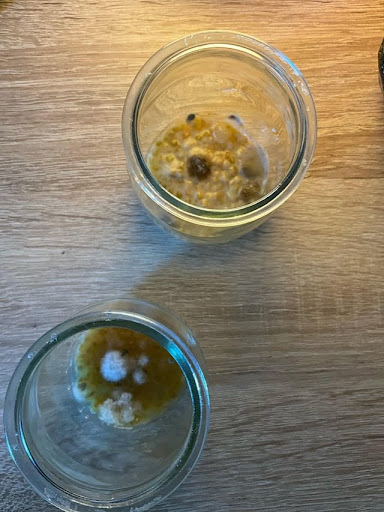
- Let it sit, loosely covered, at room temp for 2–3 days. This ferments the seeds, breaking down the gelatinous coating.
- Once a bit of mold forms on top (gross but good), rinse the seeds in a strainer until clean.
- Spread them on a coffee filter or paper plate to dry thoroughly—at least a week.
Label them right away. Ask me how many times I’ve found mystery tomato seeds months later… 🙃
3. Peppers: Simple & Straightforward
Pepper seeds are one of the easiest to save—no fermentation needed.
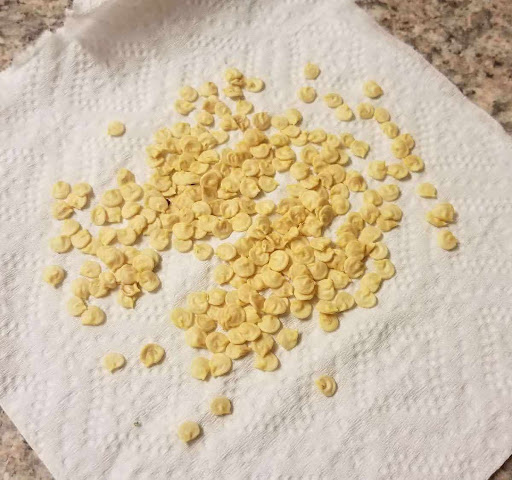
Pick a fully ripe pepper (red, yellow, orange—not green). Cut it open, remove the seeds, and lay them out on a paper towel or screen to dry. Be sure they’re completely dry before storing. I usually give it at least a week.
Note: Peppers can cross-pollinate with other varieties, especially hot and sweet types. If you want to preserve a specific pepper, plant only one variety—or separate them with distance and barriers.
4. Cucumbers: A Little Patience Goes a Long Way
To save cucumber seeds, you need to let the fruit fully mature—beyond eating stage. That means leaving it on the vine until it turns yellow and starts to soften.
Once ripe:
- Scoop out the seeds and place them in water like with tomatoes.
- Ferment for a couple of days to remove the slimy coating.
- Rinse well and dry thoroughly.
It’s a little extra work, but worth it if you’ve found “your” cucumber.
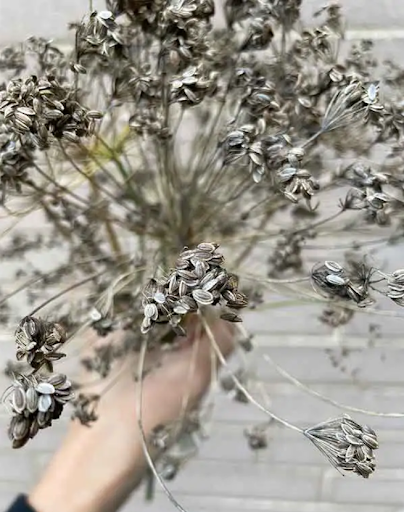
5. Herbs: Let Them Flower, Then Snip & Shake
Basil, dill, cilantro, parsley—they all bolt eventually. When they do, that’s your cue to save seeds.
Let the flowers mature and dry on the plant. Once the seed heads are brown and crispy:
- Snip them into a paper bag.
- Shake gently or rub between your fingers to release the seeds.
- Store in a labeled envelope or jar.
Tip: Save herb seeds from plants that were especially flavorful or slow to bolt.
6. Flowers: Share Beauty from Season to Season
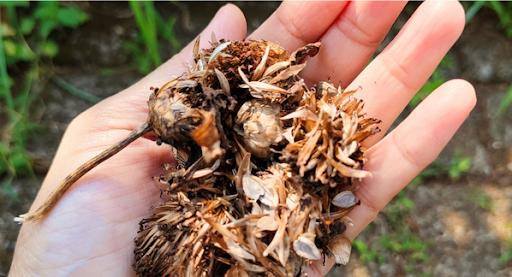
Saving seeds from flowers brings me so much joy. Zinnias, marigolds, calendula, cosmos, sunflowers—they’re all easy to save.
Wait until the flowers are brown and dry on the stem. Pull or pinch off the seed heads and let them dry a bit longer indoors if needed. Then just crumble and separate the seeds from the chaff.
Pro tip: Store flower seeds in small glass jars or envelopes with a photo or sketch on the front. It makes a lovely personal seed library.
7. Storage: Cool, Dry, and Labeled
Once your seeds are fully dry, pop them into small paper envelopes, mason jars, or recycled pill bottles. Add a label with:
- Variety
- Date saved
- Any notes (e.g., “best sweet pepper!”)
Store your seeds in a cool, dry place—ideally below 60°F. I keep mine in a shoebox in my pantry. Some gardeners even use the fridge or freezer for long-term storage.
Final Thoughts from My Garden
Saving seeds is more than a practical task—it’s an act of hope and connection. You’re carrying a piece of this summer into next spring, tying seasons together in a cycle that’s as old as gardening itself.
It’s also a beautiful way to share your garden with others. Every year, I tuck little seed envelopes into cards or swap extras with friends. It feels like giving away a bit of sunshine.
So the next time you’re harvesting tomatoes or herbs, take a few extra moments to save a handful of seeds. It might just become your favorite end-of-season ritual too.
Happy saving, friends! 🌱