How to Protect Fall Crops from Frost and Pests
There’s something magical about the fall garden. The air is crisp, the sun a little gentler, and the greens taste sweeter. But as beautiful as autumn can be, it also brings a few challenges—namely frost and those stubborn late-season pests who just won’t quit.
If you’ve planted a fall garden (and I hope you have!), you’ll want to give those crops the best chance to thrive through cooler nights and surprise cold snaps. With a few simple tools and a little planning, you can stretch your harvest well into November—and maybe even beyond, depending on your zone.Here’s how I protect my fall crops from both frost and lingering pests, using tried-and-true methods from my own garden beds.
❄️ Frost Protection Basics: Keeping the Chill at Bay
Fall crops like kale, carrots, and spinach love cool weather, but even they need a little help when temperatures dip toward freezing. Here’s what I use to keep them cozy:
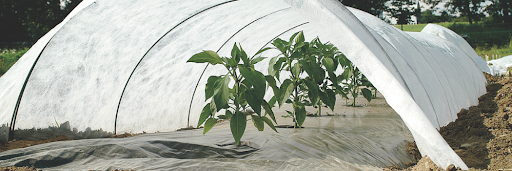
1. Frost Cloths (Row Covers)
These are lightweight, breathable fabrics that create a warm microclimate around your plants—without trapping too much moisture.
- Drape directly over low-growing crops like lettuce or spinach
- Use hoops or stakes for taller veggies like broccoli or kale
- Secure with bricks, clips, or garden staples
They can protect plants from 4–8°F of frost, depending on thickness.
💡 Pro Tip: I keep a few pre-cut pieces folded in my shed, ready to deploy on those “surprise” cold nights.
2. Low Tunnels
Think mini greenhouses! Low tunnels are made by bending hoops (PVC, wire, or flexible conduit) over garden beds and covering them with row fabric or clear plastic.
- Use frost cloth for breathable, all-night coverage
- Use plastic for more heat retention during the day—just ventilate on sunny mornings to avoid overheating
Perfect for:
- Spinach
- Arugula
- Turnips
- Carrots
- Herbs like parsley or cilantro
3. Straw Mulch or Leaf Blankets
For root crops, mulch does wonders. It keeps the soil warmer, retains moisture, and provides insulation when temps drop.
I spread 3–4 inches of:
- Straw
- Shredded leaves
- Pine needles
Especially over carrots, beets, garlic, and onions. You can dig under the mulch all winter long for sweet, crisp roots.
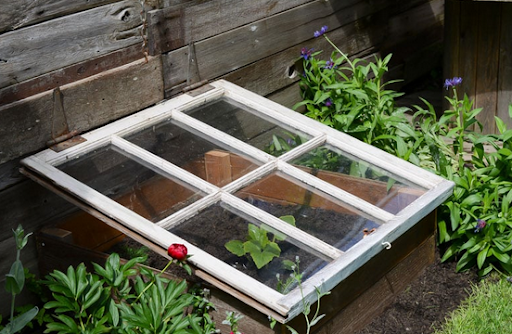
4. Cold Frames
If you’ve got an old window and some scrap wood, you’ve got yourself a cold frame!
Cold frames are small, enclosed beds with a clear lid. They trap warmth from the sun during the day and keep crops safe overnight.
Great for:
- Lettuce
- Endive
- Asian greens
- Chard
🐛 Dealing with Fall Pests: Don’t Let Them Linger
Just when you think pest season is over, a few sneaky ones stick around. Here’s how I manage them organically and consistently.
1. Aphids on Cool-Season Greens
Aphids love tender fall greens like kale, mustard, and chard. Cooler temps slow them down, but they’ll still cluster on new growth.
How I handle it:
- A strong spray of water every few days
- Neem oil or insecticidal soap (spot treat, early morning)
- Plant garlic or chives nearby—they help deter aphids naturally
2. Slugs and Snails
With cooler temps and moist soil, slugs thrive in fall. And they love your lettuce.
My go-to tricks:
- Beer traps (small bowls sunk into the soil)
- Diatomaceous earth around plant bases
- Remove mulch temporarily around affected plants if it’s too wet
💡 Tip: Handpick in the early morning or evening with a flashlight—it’s oddly satisfying.
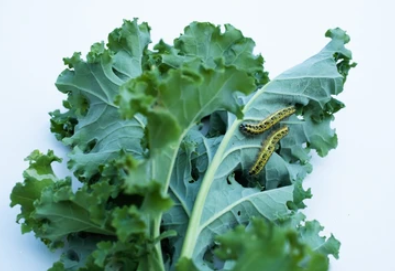
3. Cabbage Worms and Loopers
Still lurking on brassicas like kale, broccoli, and collards? They’re sneaky but manageable.
- Check the undersides of leaves for tiny green worms or white eggs
- Remove by hand or spray with BT (Bacillus thuringiensis)—an organic, caterpillar-specific control
- Keep row covers on new transplants to prevent egg laying
🌱 General Fall Garden Tips for Healthier Plants
- Water earlier in the day so leaves dry before night (reduces fungal issues)
- Clean up fallen leaves and old plant debris where pests and diseases can hide
- Inspect regularly—even when it’s chilly out, a 10-minute walk through can prevent bigger issues
- Harvest often—cut-and-come-again greens will keep producing longer if you don’t let them get too mature or stressed
Final Thoughts from My Fall Beds
Fall gardening is a quiet kind of joy. The pace slows, the colors change, and every harvest feels like a little bonus. With a bit of protection—some cloth here, a little mulch there—you can keep your garden thriving through the first frosts and beyond.
So don’t rush to pull everything just yet. Tuck your crops in, watch for pests, and enjoy the beautiful overlap of seasons.
Because the garden doesn’t stop—it just softens. 🍂❄️
—Susan