Feeding the Soil: Simple Fall Amendments That Make a Big Spring Difference
When the last tomato is picked and the beds are cleared of summer’s glory, it can be tempting to close the garden gate and call it a season. But before you hang up your gloves for winter, I encourage you to do one more thing—feed your soil.
Fall is the secret season for soil building. It’s when the earth is still warm, the microbes are active, and your garden is resting and ready to receive some love. Taking just a little time now to amend and nourish your soil will pay you back in spades come spring—with stronger plants, healthier harvests, and a garden that just feels alive.
Here’s how I enrich my soil each fall—simply, naturally, and in harmony with the seasons.
🌿 Why Fall is the Best Time to Feed Your Soil
Soil isn’t just dirt—it’s living, breathing, and always changing. In fall, temperatures cool but the ground is still workable. That gives your amendments time to break down and integrate over winter, creating a rich, ready planting space by spring.
Think of it like a garden version of sourdough starter—you’re setting the stage for slow fermentation and deep nourishment.
🧺 My Go-To Fall Soil Amendments
1. Finished Compost
If you do nothing else, add compost.
- Spread a 1–2 inch layer over your beds after cleaning out spent plants
- Leave it as a top layer or lightly fork it into the soil
- Let rain and microbes do the mixing for you
Tip: If your compost isn’t quite finished, you can still use it in beds that won’t be planted until late spring.
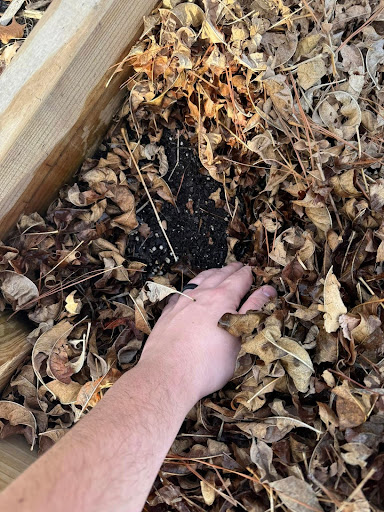
Image 1: A raised bed covered in rich, dark compost with fall leaves scattered around.
2. Aged Chicken Manure
Straight from the coop—but only if it’s been composted properly.
- Chicken manure is high in nitrogen and makes an excellent fall amendment
- Apply a thin layer (½–1 inch) to your cleared beds
- Always compost or age it for at least 6–12 months before using
I use it on future leafy green beds or areas where I’ll grow corn or brassicas.
3. Leaf Mold or Shredded Leaves
Leaves are garden gold—and they’re free!
- Shred them with a mower or rake and let them sit in a pile to break down
- Use them as mulch or mix into your compost pile
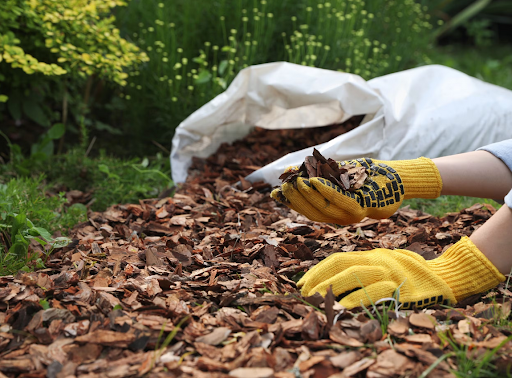
- Spread 2–3 inches over garden beds to insulate and feed the soil
Leaves help retain moisture, prevent erosion, and break down into beautiful, spongy humus.
4. Worm Castings
Small but mighty, worm castings are full of beneficial microbes and plant-ready nutrients.
- Add a couple handfuls per square foot
- Especially helpful in beds for root crops, herbs, or seedlings
If you vermicompost, fall is a great time to clean out your bin and share the bounty with your garden.
5. Rock Dust or Minerals
Sometimes your soil needs a deeper recharge.
- Azomite, greensand, or rock phosphate can restore trace minerals
- Apply lightly according to package directions
- Mix into the top few inches or layer with compost
I do this every 2–3 years in high-use beds, especially where I grow heavy feeders like tomatoes.
6. Cover Crops (Living Amendments)
Cover crops like crimson clover, winter rye, or hairy vetch add organic matter, prevent erosion, and suppress weeds.
- Sow in early to mid-fall (about 4–6 weeks before frost)
- Let them grow over winter
- Chop and drop in spring before planting
These living mulches are nature’s fertilizer factories—and the chickens love pecking through them too.
🍂 How I Feed Each Bed (Without Overthinking It)
By late October, I walk through my garden and treat each bed like a little story. What grew there? What’s planned for next season? Here’s my simple system:
Fallow bed? Plant a cover crop or lay down a thick layer of leaves
Spent tomato bed? Add compost + rock dust
Future greens bed? Add aged chicken manure + leaf mulch
Garlic or onion bed? Compost + worm castings
🧤 Don’t Forget These Little Extras
- Pull weeds now so they don’t overwinter and spread
- Label beds if you’re amending them differently (trust me, you’ll forget!)
- Top beds with straw or cardboard if you’re not planting anything until spring
- Tuck in your tools and hoses while you’re at it—tidying now saves a headache later
Final Thoughts from My Fall Garden
There’s something deeply satisfying about feeding the soil in the fall. It feels like closing the loop—giving back to the earth that gave so much to you.
And when spring comes and the first seedlings break through rich, crumbly soil, you’ll know: it started here, in the quiet days of autumn.
So take a moment, breathe in that earthy fall air, and give your garden the nourishment it needs to rest and rise again.
Happy soil building—and happy resting, too. 🌾
—Susan