The Art of Succession Planting: What to Sow After Your Spring Harvest
There’s a moment in every spring garden when you suddenly realize: Things are coming out just as fast as they went in. The radishes have bolted, the lettuce is getting leggy, the spinach is waving its leafy goodbye. And if you’re like I was in my first few seasons—you might just stare at those empty patches and think, Now what?
Here’s the good news: that’s not the end—it’s just the beginning of your next planting round.
Welcome to the art of succession planting—the homesteader’s secret to keeping a garden productive, full, and thriving from early spring right through fall. Whether you’ve got a backyard plot or a few raised beds, succession planting can turn your space into a continuous source of fresh, seasonal food.
🌱 What Is Succession Planting?
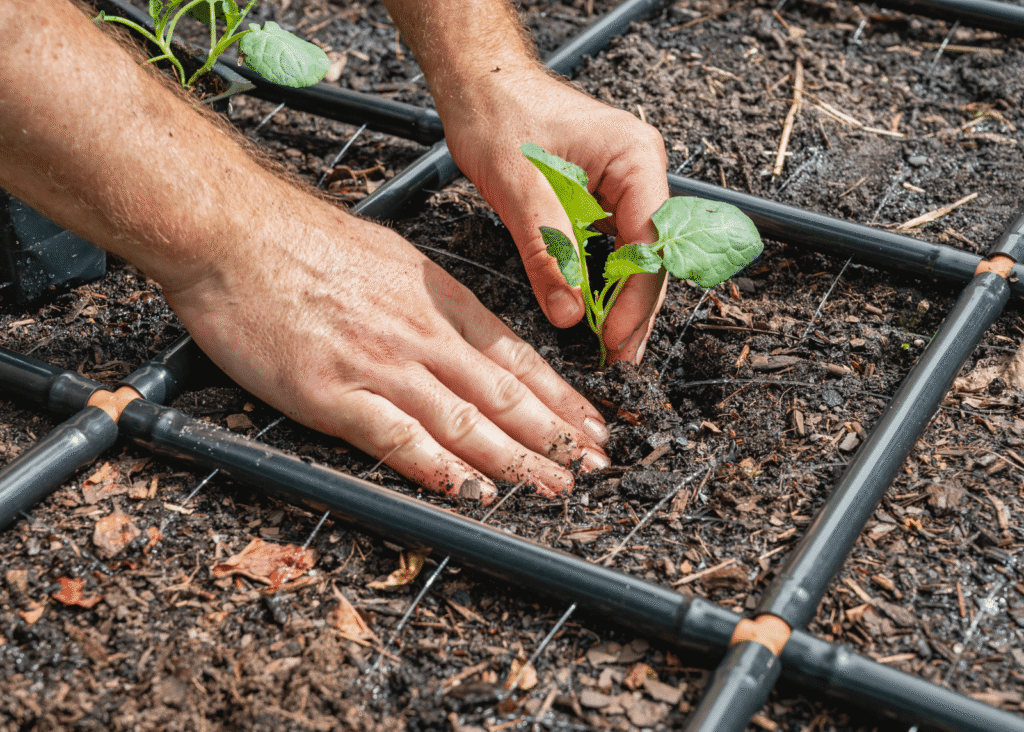
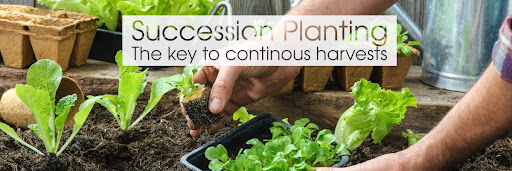
In simple terms, succession planting means planting something new in a space once the previous crop is harvested. Instead of letting that soil sit empty, you sow again—with a plan.
Think of it like this:
- You harvest your spring spinach → you plant bush beans
- You pull out early radishes → you pop in carrots
- Your lettuce bolts → you tuck in basil or cucumbers
It’s all about timing, spacing, and knowing your season. And trust me—it’s not as complicated as it sounds.
🕰️ Why It Works (Especially for Busy Homesteaders)
When I was gardening in my little Brooklyn backyard, space was limited and every square foot had to count. Succession planting let me grow multiple crops in the same spot over time, not just space. It’s one of the reasons I was able to feed my family from just a few raised beds.
Here’s why I swear by it:
- You get more harvests per square foot—no wasted soil.
- Pest pressure stays lower—rotating crops naturally disrupts pest cycles.
- You learn to grow in rhythm with your season—and that connection is everything.
📆 When to Start Succession Planting
Short answer: Now.
If you’ve already harvested early spring crops like:
- Radishes
- Spinach
- Peas
- Lettuce
- Bok choy
- Arugula
…you’ve got room for something new. Check your last frost date, then look at how many growing days you have left. (In my zone 7b garden, I can grow new crops from May well into September.)
And don’t worry—there’s a succession strategy for every season.
🥕 What to Plant After Spring Crops
Here’s a cheat sheet I use every year—what I plant after the early birds are pulled.
🌞 After Spinach or Lettuce:
- Bush beans (quick-growing, nitrogen-fixing)
- Basil or dill (perfect for warm soil)
- Cucumbers (if space allows)
- Chard (heat-tolerant and beautiful)
🌞 After Radishes:
- Carrots (same space, just deeper)
- Green onions
- Beets
- Summer lettuce (choose heat-resistant varieties like ‘Nevada’ or ‘Jericho’)
🌞 After Peas:
- Pole beans (they love climbing old pea trellises)
- Zucchini or pattypan squash
- Tomatoes or peppers (if you didn’t plant them yet)
🌞 After Arugula or Bok Choy:
- Kale or chard
- Celery
- Malabar spinach (a vining heat-lover that thrives all summer)
💡 Tips for Smooth Succession Planting
Here are a few little lessons I’ve learned the hard way (so you don’t have to):
1. Feed the Soil Between Crops
Pulling one crop takes nutrients with it. Before you replant:
- Topdress with compost
- Add a scoop of worm castings
- Loosen the soil gently with a fork (no deep digging!)
Healthy soil = happy plants.
2. Keep a Garden Journal
Note what you planted, when it was harvested, and what replaced it. Next year, you’ll thank yourself.
3. Choose Fast-Growing or Heat-Loving Varieties
In warm months, look for:
- 40–60 day crops
- Bolt-resistant greens
- Heat-hardy root crops
Time is precious in summer gardening—make every day count.
4. Stagger Your Plantings
If you plant a whole bed of lettuce in March, harvest in May, and then replant beans all at once, you’ll have another big glut. Instead, plant in waves:
- A few squares of beans now
- A few more next week
- Maybe a few greens in a shady spot the week after
That’s how you create a garden that feeds you consistently—not all at once.
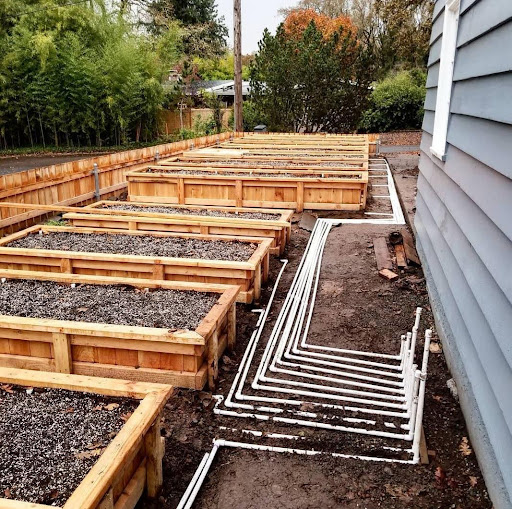
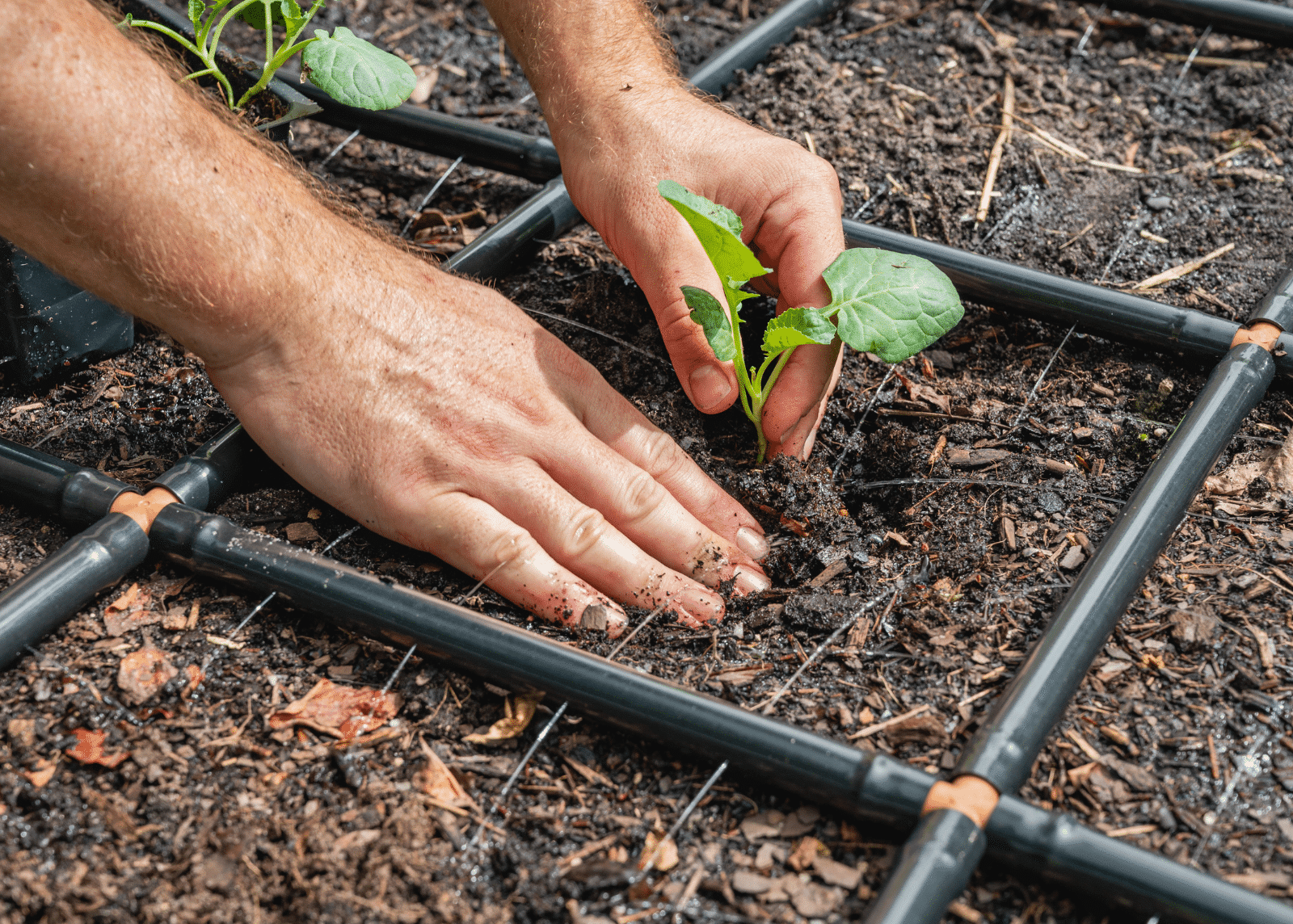
📏 How Succession Planting Fits with Square Foot Gardening
If you’ve read my post on Square Foot Gardening, you already know I’m a big fan. Succession planting and square foot gardening are made for each other.
Here’s what I do:
- Use a garden planner or map to track what’s planted where
- Harvest from one square
- Add compost
- Replant with a new crop the same day
It’s like playing garden Tetris—and I find it incredibly fun and satisfying.
🥬 Don’t Forget About Fall (Yes, Already!)
Succession planting isn’t just for summer. It sets you up beautifully for a fall garden, too.
By late July or early August, you’ll be:
- Pulling spent beans and squash
- Opening up space for cool-season crops like kale, broccoli, cabbage, and fall carrots
And because you’ve already been replanting all summer, your soil is in great shape and your timing is on point.
I’ll write a full post soon on planning your fall garden, but just know: succession planting is the first step.
🧘♀️ Garden Zen Meets Garden Productivity
Here’s my favorite thing about succession planting: it helps me stay in rhythm with the garden.
Instead of one big planting in spring and a harvest rush in summer, I get to interact with my garden every week—planting, pulling, sowing again. It becomes a flow. A dance. A living, breathing space that keeps giving.
And yes, it feeds us more deeply too. Not just with food—but with presence.
Final Thoughts from My Garden Path
Succession planting isn’t about doing more—it’s about doing better. It’s about seeing your garden not as a one-and-done task, but as a living, evolving space with endless potential.
So as you harvest your first round of spring greens or pull those bolted radishes—don’t see it as the end. See it as the chance to plant something new. Something that will feed you in a few short weeks.
From my garden to yours, here’s to planting, replanting, and growing with the seasons—again and again.
Happy sowing,
—Susan 🌻