
Garden Pulse: What Your Plants Are Telling You in June
Create Welcome back to the garden, friends. June has arrived, and here on my homestead, the garden is bursting with life. The sun is high, the days are long, and everything from the tomatoes to the zinnias is reaching for the light with full force.
This is the time of year when the garden really starts speaking — not with words, but with signs. Leaves curl, flowers fade, and sometimes a plant just… slumps. Over the years, I’ve learned how to read these little signals like a second language. So this month, I want to walk you through the messages your plants are sending in June — and how to respond with confidence.
In this month’s Garden Pulse, I’m walking you through the subtle (and not-so-subtle) signs your plants are giving you in June. Whether you’re growing in raised beds, containers, a suburban yard, or a full-on food forest like mine, this guide is for you.
Let’s dig in.
1. Yellowing Leaves: The Classic Cry for Help
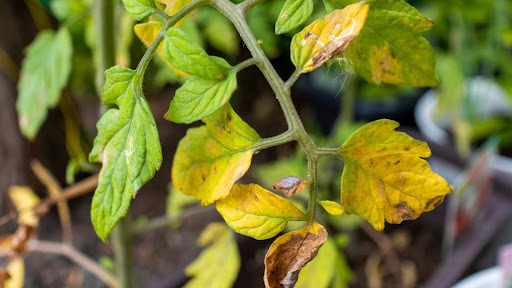
There’s nothing quite as disheartening as waking up to a bed full of yellowing leaves. I’ve been there — coffee in hand, staring at my cukes like, “What happened overnight?!”
Yellow leaves in June usually mean one of a few things:
- Overwatering: We want to be generous gardeners, but sometimes we love our plants too much with that hose.
- Nutrient Deficiency: Particularly nitrogen. Your plants might need a boost.
- Poor Drainage: Especially in container gardens or clay-heavy soils.
💡 My Tip: I use a homemade compost tea around mid-June to give my garden a gentle nutrient bump. It’s especially helpful for heavy feeders like tomatoes and corn.
2. Wilting vs. Drooping: There’s a Difference
It’s hot. You’re hot. Your plants are hot. But not every droop is dehydration.
All-day wilt, even after watering? Check for root rot, compacted soil, or even vine borers.
Morning wilt that bounces back in the evening? Likely just heat stress.
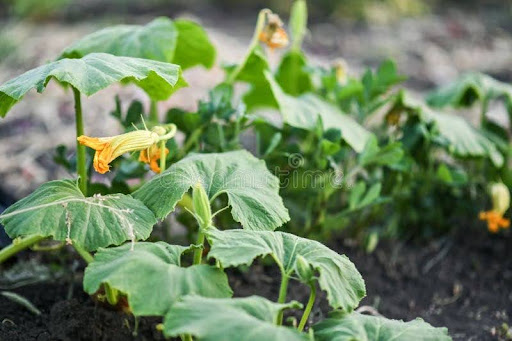
When I first started growing squash in my Brooklyn backyard, I thought I was just forgetting to water. Nope. Vine borers had moved in and were chewing from the inside out. It was a hard lesson, but one I’ll never forget.
3. Stunted Growth? Your Soil Might Be Telling You Something
If you planted in April or May and things are still looking… puny? June is the time to ask why.
Common culprits:
- Compacted soil
- Lack of nutrients
- Too much competition (aka overcrowding)
This month is perfect for side-dressing with compost, thinning crowded areas, and giving your soil a chance to breathe. I like to add a layer of worm castings around my peppers and eggplants — they love it.
4. Mulch is Your Garden’s June MVP
By now, the sun is blazing and your soil is begging for protection. I mulch like my garden depends on it — because it does.
Benefits of June mulching:
- Moisture retention (especially helpful if you’re in a drought-prone area)
- Weed suppression
- Regulated soil temperature
- Worm magnet (and who doesn’t want more worms?)
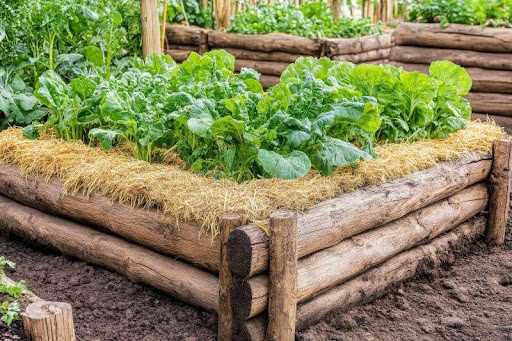
I like using straw or shredded leaves. If you’re short on resources, even grass clippings from your last mow can do the trick.
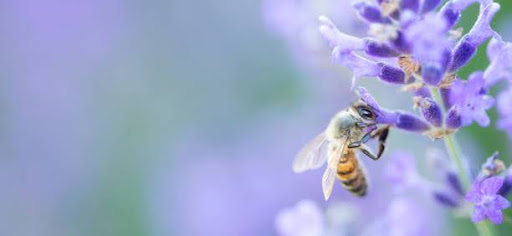
5. June is for Pollinators — Make it Buzz
I’ve turned half of my front yard into a pollinator haven, and June is when it starts to really shine.
Plant favorites:
- Bee balm
- Coneflowers
- Lavender
- Borage
- Zinnias
This month, the garden hums — and that hum is your productivity rising. More pollinators = more fruit = happy homesteader.
💡 My Tip: Avoid spraying anything during daylight hours. If you must treat pests, do it early in the morning or at dusk when bees are less active.
6. June Planting — Yes, You Still Can!
If you feel behind — don’t worry. June isn’t too late. In fact, it’s prime time for a lot of heat-loving favorites:
- Direct sow green beans, cucumbers, squash
- Transplant tomatoes, eggplants, and peppers
- Succession plant lettuces and radishes in shadier spots
And if you’re like me and love flowers woven into your veggies: sunflowers, zinnias, nasturtiums, and cosmos can still go in now and will bloom like fireworks by July.
7. Watch the Bugs, But Don’t Panic
By now, pests are waking up in full force. Aphids, cabbage worms, spider mites — they’re all on the move. But take a breath. June is the time for balance, not panic.
What I do:
- Inspect daily — just five minutes of hands-on time a day makes a world of difference.
- Use neem oil sparingly and only when needed.
- Introduce beneficial insects like ladybugs and lacewings.
- Let the ecosystem balance itself when possible.
You’ll be surprised how well your garden adapts when you give it a chance.
8. The Emotional Pulse: How June Feels
Now, let’s get personal. June is a weirdly emotional month in the garden. It’s when your spring hopes start to really show their cards. You see which plants are thriving, which are struggling, and you realize: this is real now.
For me, I always feel a bit tender in June. It’s the start of the high season, but also the moment I take a deep breath and trust the work I’ve done.
This is the month of observation. Of tweaking. Of listening.
So listen to your plants. Listen to yourself. You’ve got this.
9. Houseplants? Don’t Forget Them!
If your houseplants are like mine, they’re crowding every sunny window. June is their ticket to freedom.
Tips:
- Harden them off before tossing them outside full-time.
- Watch for sunburn on tender leaves (yes, that’s a thing!).
- Check regularly for pests — mealybugs LOVE the warm weather.
💡 My Tip: I like giving my indoor plants a rain bath during the first summer storm. Just a few minutes on the porch does wonders.
10. Don’t Forget to Enjoy It
I mean it. June is when we finally start to see the fruits (literally) of all that spring prep. Go out in the early morning with your coffee. Sit in the garden at sunset. Listen to the birds. Watch the bees.
You worked hard for this. Let yourself feel that.
Final Thoughts from the Homestead
Every garden has a rhythm. June’s is energetic, buzzing, alive. It’s also revealing — it tells you what’s working and what’s not. If you can tune in now, make small adjustments, and trust your instincts, your garden will reward you all summer long.
From my little food forest to your patch of green, I’m cheering you on. Let’s keep growing — together.
With love and dirty fingernails,
– Susan