Square Foot Gardening and Why It Works (Especially for Backyard Homesteaders Like Us)
When I first started gardening seriously—back in my Brooklyn brownstone days—I didn’t have a lot of space to work with. Just a small patch of soil and a big dream. That’s when I discovered square foot gardening, and let me tell you, it completely changed how I think about growing food.
Whether you’ve got a tiny city yard, a suburban patch, or even a few raised beds on a sprawling homestead, square foot gardening is one of the most efficient and rewarding ways to grow a lot in a little space.
Let’s talk about what it is, why it works, and how you can start your own square foot garden—even if you’re short on space (or time).
What Is Square Foot Gardening?
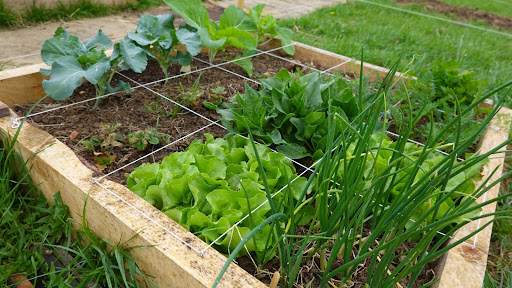
Square foot gardening (or SFG) is a method developed by Mel Bartholomew in the 1980s. The idea is simple: instead of planting in long rows like a traditional garden, you divide your growing space into a grid of 1-foot squares—and plant different crops in each square based on how much room they need.
For example:
- 1 tomato per square
- 4 lettuce plants per square
- 9 bush beans per square
- 16 carrots per square
You can mix and match crops, plant successively, and make the most of every inch of your garden. It’s organized, tidy, and super productive.
Why It Works (and Why I Love It)
Here’s why square foot gardening is now a non-negotiable part of my homestead garden plan:
1. Maximizes Small Spaces
When I lived in NYC, I only had room for a few raised beds. With SFG, I could grow salads for weeks, herbs, radishes, even compact squash varieties—all in just a couple of beds.
Now that I have more land, I still use this method in my kitchen garden to keep things organized and efficient.
2. Less Weeding, Less Waste
Tightly spaced crops mean fewer weeds and no wasted space. You only grow what you actually want to eat—no long empty rows, no overplanting.
3. Great for Beginners
If you’ve ever felt overwhelmed by gardening, square foot gardening takes out the guesswork. You know exactly how many plants go where, and it keeps everything easy to manage.
4. Healthier Soil
Since you’re not walking on the garden beds, the soil stays loose and well-aerated. That means better root growth and healthier plants.
5. It’s Just Pretty
Let’s be honest—there’s something incredibly satisfying about a grid of lush, well-tended plants. It’s Instagram-worthy and practical.
How to Start Your Own Square Foot Garden
You don’t need much to get started. Here’s a simple setup you can build in a weekend:
Step 1: Build a Raised Bed
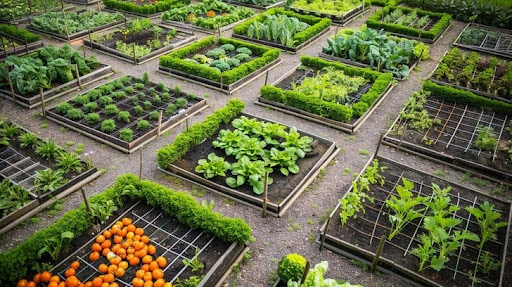
The classic square foot garden bed is 4 feet by 4 feet. Why 4×4?
- It’s easy to reach the center from all sides
- It breaks down nicely into 16 squares
You can use untreated wood, cedar, bricks, or whatever materials you have on hand. Mine are built from repurposed lumber I found on Craigslist (bonus points for sustainability).
Pro tip: Make sure your bed is at least 6 inches deep, but 10–12 inches is ideal for root crops.
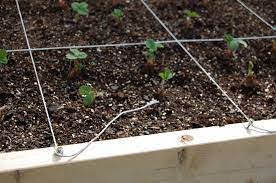
Step 2: Add a Grid
Lay string, thin wood strips, or even bamboo across the bed to mark off each 1×1-foot square. This is the magic of SFG—keeping it neat and intentional.
Step 3: Fill with Rich Soil
Forget traditional dirt—SFG beds shine when filled with what Mel called “Mel’s Mix”:
- 1/3 compost (from multiple sources if possible)
- 1/3 peat moss or coconut coir
- 1/3 vermiculite (for drainage and aeration)
This blend is loose, nutrient-rich, and practically weed-free.
If you’ve got good garden soil already, you can top it with compost and call it a day—just make sure it drains well and is full of life.
Step 4: Choose Your Crops
Think about what your family actually eats. That’s what goes in the bed.
Here’s a quick cheat sheet of how many plants fit in a square:
- 1 per square: broccoli, pepper, tomato, eggplant
- 4 per square: lettuce, Swiss chard, marigolds
- 9 per square: spinach, bush beans, beets
- 16 per square: carrots, radishes, green onions
I like to plant companion crops together—basil near tomatoes, marigolds near everything—to help with pest control and pollination.
Seasonal Tips for Square Foot Gardening
Since we’re in April/May, here’s what I’m planting in my square foot beds right now:
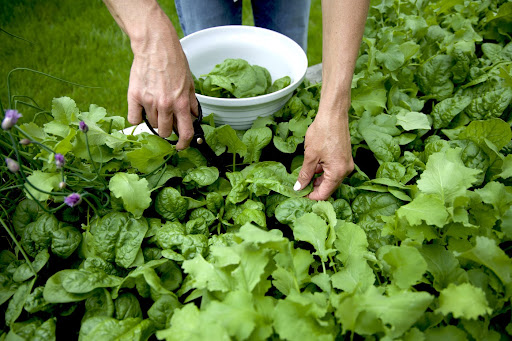
- Leafy greens (lettuce, kale, spinach)
- Root veggies (carrots, beets, radishes)
- Herbs (parsley, cilantro, dill, chives)
- Tomatoes, peppers, and eggplant (if frost is done)
- Flowers to attract pollinators
And because this method makes succession planting a breeze, I’ll be back in a few weeks to tuck new seeds into squares that just finished up an early spring crop.
Bonus: SFG Is Perfect for Kids & New Gardeners
When I was teaching my niece how to garden last summer, square foot gardening made it fun and approachable. Each square becomes a little experiment. You can label it, track it, and celebrate every harvest.
Whether you’re gardening solo, with your kids, or sharing the joy with neighbors, this method makes it feel manageable—and magical.
Final Thoughts from My Garden
I’ve used square foot gardening in brownstones, suburban rentals, and now in my full-blown homestead beds. And it works every single time.
It’s about intentional abundance—growing what you love, in a space that works for you, using simple principles that yield big results. Whether you’re a beginner gardener or a seasoned grower looking to streamline your beds, this method is worth trying.
So go ahead—grab a piece of wood, string up a grid, and give square foot gardening a try. You might be surprised just how much beauty, food, and joy can grow in one little square.
Happy planting, friend.